Table of Contents
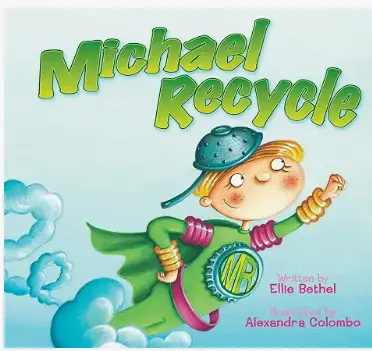
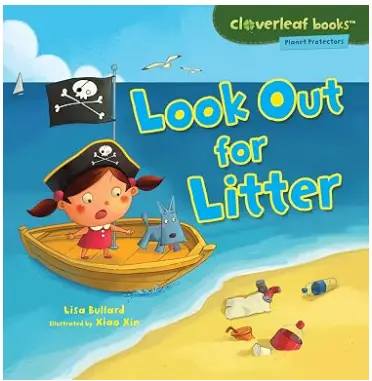
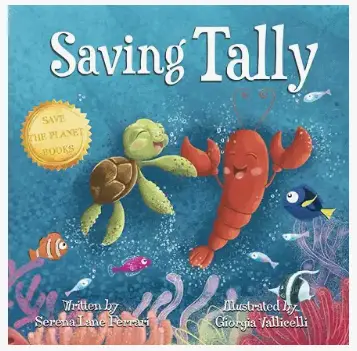
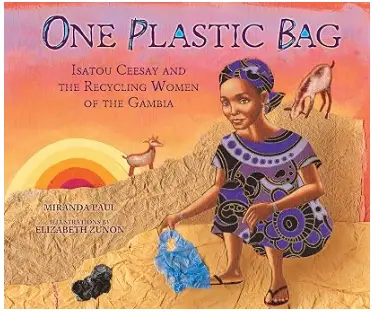
Books
Curriculum
Alabama State Standards by The University of Memphis
DIY Watershed
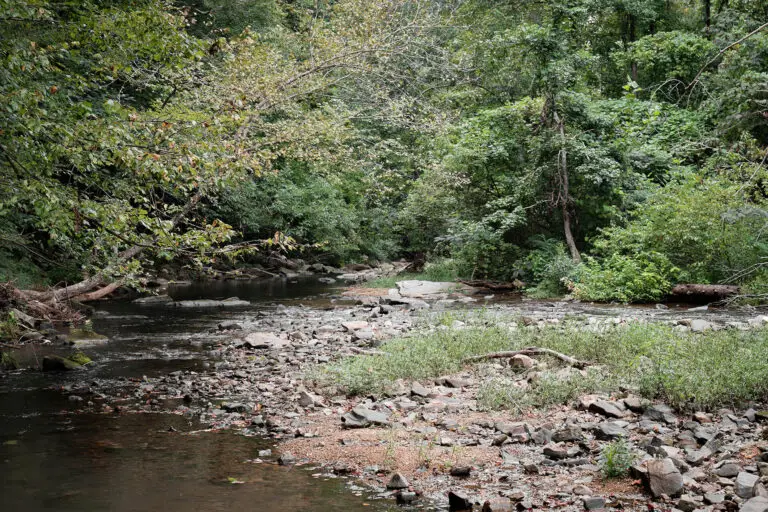
In this activity, students will make a watershed model to show how water flows in a watershed. They will use their watershed model to model nonpoint source pollution.
Estuary Survivor Game
This activity gives students a visual representation of how different activities in a watershed can affect an estuary and its aquatic life.
Water Cycle Bracelet
This lesson is an easy way for students to learn and remember the steps in the water cycle and see how water moves through it by creating a bracelet.
A Careful Consumer's Trip to the Grocery Store
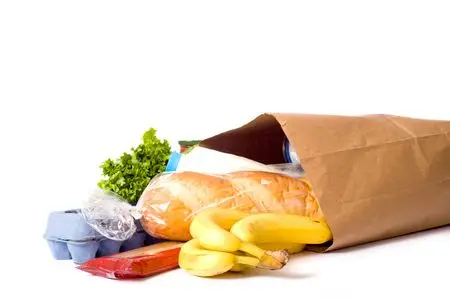
Careful buying is the first solution to the problem of too much solid waste. An individual’s careful buying decisions can significantly reduce the volume of household waste.
Students will understand:
- How recycled materials are used in packaging.
- Which natural resources are used in packaging and how these resources can be conserved through careful buying and recycling.
- That, because approximately 40% of household waste consists of packaging, responsible buying choices can reduce Alabama’s waste stream.
Brainstorming and Landfills
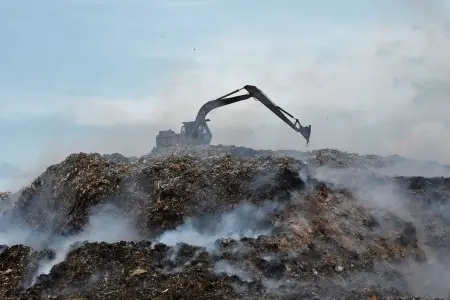
Organized, problem-solving techniques can be usefully applied to the problem of solid waste management.
Clean Campus Presentation
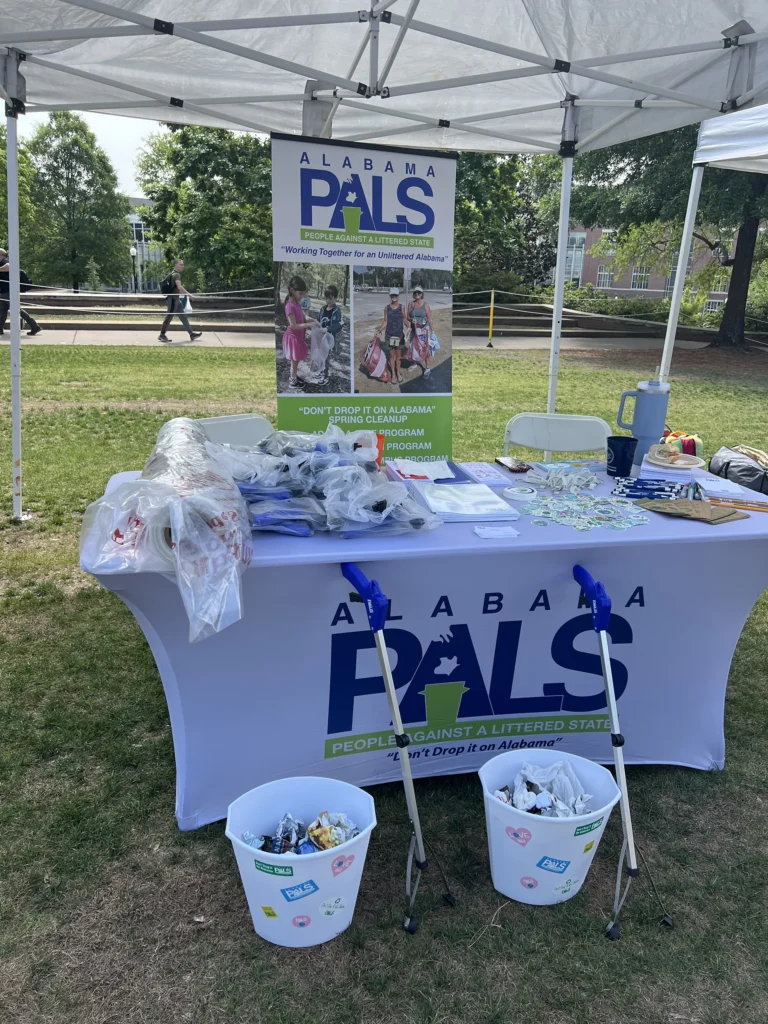
Clean Campus Coordinator will read aloud and discuss the problems of litter in our state. Program is approximately 30 minutes and is best for individual classes. Can be combined with another class.
Litter is Waste out of Place
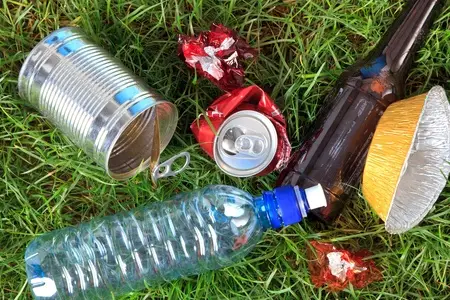
Most people think of litter as coming from motorists and pedestrians. Many people are too quick to blame children and young adults for all litter problems, but the problem can come from many places in our community.
Students will pick up litter and discuss what it is, why it is where it is, where it comes from, and suggest some methods to control it.
Making a Mini Landfill
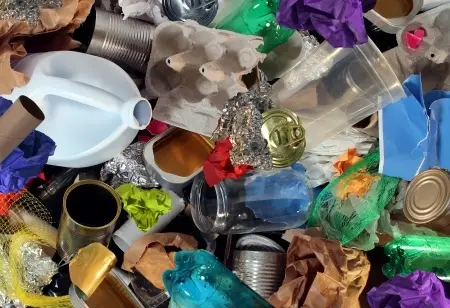
Products that end up as solid waste are made from a variety of natural resources. Because of differences in composition and biodegradability, much of what we now throw away could be composted or recycled.
Students will understand some of the energy and resources embodied in solid waste. They will learn the meaning of the terms “organic,” “biodegradable,” “renewable” and “nonrenewable resource” and why each kind of solid waste needs to be handled in a particular way.
Old Clothes, New Accessories
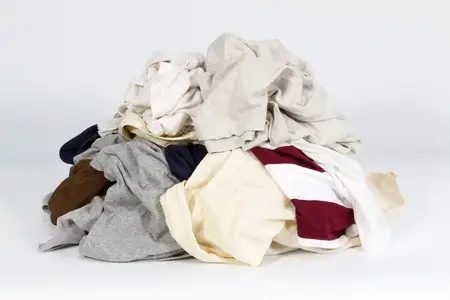
People can reduce solid waste by making new things from the old.
Students will learn creative ways to reduce solid waste by reusing some of what they might normally throw away. They will create functional and artistic projects from fabric scraps.
Out of Sight, but not out of Mind
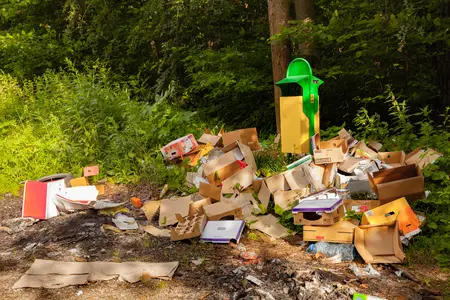
Illegal dumping degrades our land and waters and imposes costs on society that all bear.
Students will know where to dispose of waste.
Read, Reuse, Create
The Alabama PALS Clean Campus Coordinator, Shay Grant will be sharing ways to help Alabama be cleaner and healthier!
Picture This
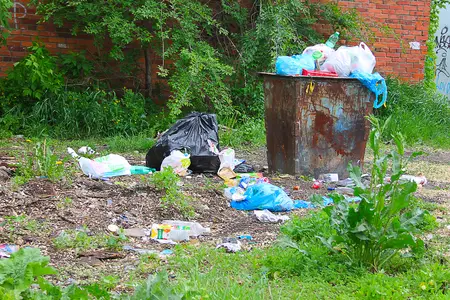
Aesthetics, awareness of trash as an ugly sight, is a strong motivation to dispose of litter properly. Students will appreciate at least one negative effect — the ugliness — of litter in their community.
Understanding Solid Waste Management
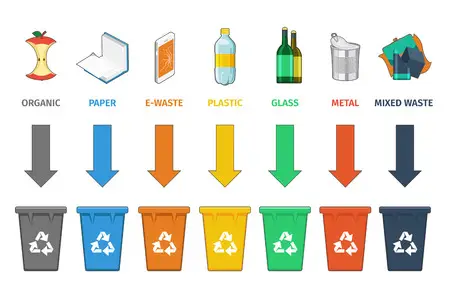
Most students (and citizens) do not have a full understanding of their communities’ present or future solid waste management practices. Students will evaluate both the current solid waste disposal practices and the future solid waste disposal plans in their community.
Waste, Then and Now
Americans are often pictured as very wasteful in the consumption of goods and materials. According to the EPA, the average American produces 4.6 pounds of trash per day. The complexity of our way of life contributes greatly to the amount of trash we produce. If we compare our way of life to a simpler one, such as that of the early Native American, we may be able to get some ideas on how to reduce both our consumption and our waste.
Students will identify reasons why some Americans’ way of living contributes to our country’s massive trash problem. Students will also identify ways to revise their way of life so as to reduce the amount of waste they produce.
Zero Waste Schools Activity Guide - Eco-Cycle
Eco-Cycle’s Zero Waste Schools Guide for schools, camps, and other settings that serve preschool through high school youth will bring your group closer and closer to Zero Waste in creative and low-cost ways, diverting more and more of our planet’s precious natural resources from the landfill.
Activities
Suggested Litter Education Activities
- Participate in the PALS “Don’t Drop it on Alabama” Annual Spring Cleanup.
- Have regular cleanups on your campus.
- Participate in the PALS Clean Campus Poster and Recycled Art Competitions.
- Schedule an on-campus visit with Jamie Mitchell, Clean Campus Coordinator.
- Make litter bags and litterbug masks from paper sacks.
- Make a collage from items found in the trash at home (can, pop-top tabs, egg cartons, foil, paper, plastics, etc.)
- Make an ecology and/or pollution bulletin board.
- Write and present TV commercials about litter.
- Organize a school campus clean-up day.
- Make posters to hang at school as reminders to not litter and to recycle.
- Make a puppet show about litter.
- Have a recycled art sale at school to pay for school improvements such as flower beds or birdhouses.
- Create an outdoor classroom.
- Make recycled bookmarks from cereal and snack boxes to donate to the local library.
- Decorate grocery bags for a local grocery store during Earth Day week.
- Decorate recycled frames to be donated to local restaurants with anti-litter messages in them.
- Decorate a can to use as a pencil/marker holder
- Make compost.
- Go on a litter scavenger hunt. Litter groups might be (1) people-made litter which is made from trees…mineral/oil….mineral rocks; (2) litter which is recyclable; (3) litter which is biodegradable.
- Create a trash sculpture giving the sculpture a creative, environmental name.
- Adopt an area on campus or in town to be responsible for litter control in that area.
Helpful Links
ALPALS offers the following links to other third party websites that may be of interest to teachers. The links provided are provided solely for your convenience and may assist you in locating other useful information on the Internet. When you click on these links you will leave the ALPALS’ website and will be redirected to another site. These sites are not under the control of ALPALS.
- Trash Trivia
- Assessing Trends in Material Generation, Recycling, Composting, Combustion with Energy Recovery and Landfilling in the United States (US EPA)
- Reducing Wasted Food & Packaging: A Guide for Food Services and Restaurants (US EPA)
- Aluminum Recycling (The Aluminum Association)
- Food Prices and Spending (USDA Economic Research Service)
- Resources on Landfills (US EPA)
- Sustainable Materials Management: Non-Hazardous Materials and Waste Management Hierarchy (US EPA)
- Recycling 101 (Republic Services)